
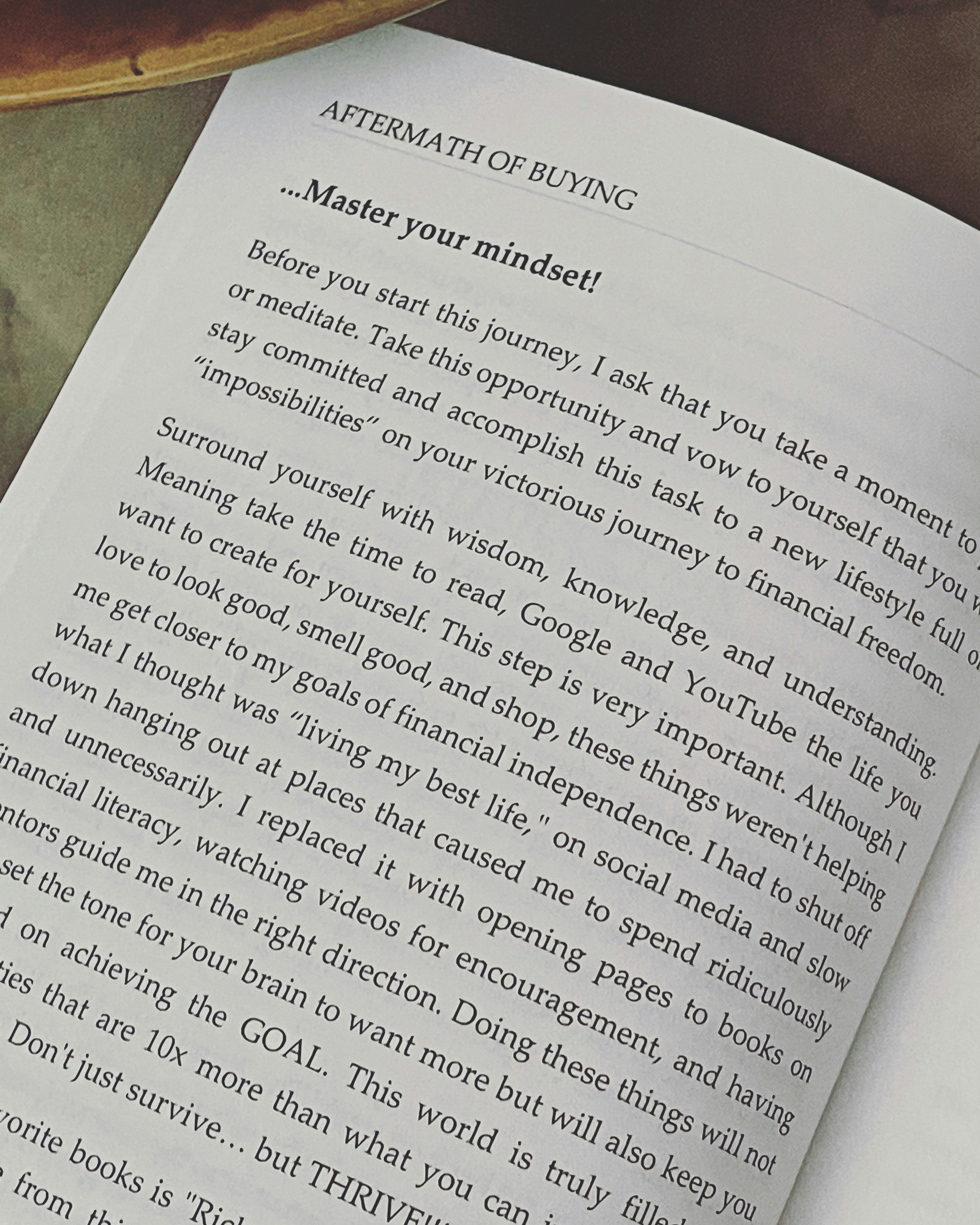
Introduction to Our Philosophy of Well-Being
In our fast-paced world, the quest for inner peace and overall well-being has become paramount. Our philosophy of well-being is anchored in the understanding that a fulfilling life is cultivated through the harmonious blend of meditation, self-improvement, and positive practices. We believe that these elements are not merely practices but foundational pillars that support a balanced and enriched existence.
Meditation serves as a powerful tool for self-discovery and mental clarity. By dedicating time to meditate, individuals not only enhance their focus but also foster a deeper connection with their inner selves. This journey inward allows for the release of stress and anxiety, paving the way for a rejuvenated mind. As we prioritize mental wellness through meditation, we empower ourselves to handle life’s challenges with grace and resilience.
Additionally, self-improvement plays a vital role in our framework for living a more satisfying life. Engaging in lifelong learning and personal development cultivates a mindset geared toward growth and achievement. This proactive approach not only instills confidence but also encourages individuals to recognize their potential, unlocking doors to new opportunities and experiences.
The emphasis on positive practices further enriches our philosophy. By fostering an environment of positivity, individuals can attract like-minded souls and create supportive communities. This network enhances one’s experience and reinforces the significance of mental wellness and self-growth. Embracing positivity allows us to navigate the complexities of life with optimism, ultimately orchestrating a fuller, more meaningful existence.
In essence, our philosophy intertwines these pillars of well-being, cultivating a holistic approach to living a stress-free life. The beauty of this art lies in the transformative power each individual can harness, guiding them toward a more balanced and fulfilling life.
Understanding Meditation: A Gateway to Inner Peace
Meditation is a practice that has been embraced for centuries, serving as a tool for fostering inner peace and promoting mental clarity. While many people associate meditation with a specific form or technique, it encompasses a wide array of practices, each with its unique focus and benefits. At its core, meditation is about training the mind and enhancing one’s awareness, rather than adhering to a single method. This versatility makes it accessible to individuals with different preferences, lifestyles, and spiritual backgrounds.
There are numerous styles of meditation, each offering distinct benefits. Mindfulness meditation encourages individuals to focus on the present moment, drawing attention to thoughts and feelings without judgment. This practice can cultivate a sense of calm and clarity, contributing to reduced stress levels and enhanced emotional resilience. On the other hand, loving-kindness meditation fosters compassion towards oneself and others, which can help build positive relationships and increase overall happiness.
Other forms of meditation include transcendental meditation, which involves the repetition of a mantra to achieve a profound state of relaxation, and guided meditation, where an instructor leads participants through a series of visualizations or breathing exercises. These various styles not only help decrease anxiety and promote emotional well-being but also support cognitive functions such as improved focus and enhanced creativity.
Despite the myriad of benefits, misconceptions about meditation persist. Some individuals may erroneously believe that meditation requires complete stillness or that one must empty the mind completely. In reality, meditation is about observing thoughts rather than suppressing them; it is a practice that facilitates acceptance and understanding of one’s mental processes. By nurturing a regular meditation practice, individuals can unlock the pathway to a more peaceful, stress-free existence, encouraging not just personal growth, but also fostering a deeper connection with oneself and the world around them.
The Role of Self-Improvement in Personal Growth
Self-improvement is a fundamental aspect of personal growth, enabling individuals to enhance their overall quality of life. It involves intentional efforts to develop skills, habits, and attitudes that foster greater resilience, self-awareness, and a positive outlook. By incorporating self-improvement practices into daily routines, individuals can navigate challenges more effectively and cultivate a more fulfilling existence.
One practical strategy for self-improvement is setting specific, measurable goals. These goals provide individuals with a clear direction, making it easier to track progress and stay motivated. It is essential to establish short-term and long-term objectives, as achieving smaller milestones can significantly boost confidence and reinforce commitment. Furthermore, maintaining flexibility in goal-setting allows individuals to adapt to life’s unforeseen circumstances, ultimately supporting a mindset geared toward continual growth.
Another effective strategy is the practice of mindfulness and self-reflection. Engaging in mindfulness meditation can help individuals become more aware of their thoughts and feelings, promoting a deeper understanding of themselves. By reflecting on personal experiences, individuals can identify patterns, acknowledge areas for improvement, and develop constructive coping mechanisms. This heightened self-awareness can lead to lasting change and a more optimistic approach to life’s challenges.
Reading and continuous learning are also crucial components of self-improvement. By exposing oneself to new ideas, perspectives, and techniques, individuals can expand their knowledge base and stimulate personal growth. This broadening of horizons fosters adaptability and critical thinking skills, which are essential for resilience in an ever-changing world.
In conclusion, self-improvement is an essential practice that plays a significant role in enhancing life quality. By setting clear goals, practicing mindfulness, and committing to lifelong learning, individuals can achieve remarkable personal growth and cultivate a more positive outlook on life.
The Power of Positivity: Cultivating a Positive Mindset
The cultivation of a positive mindset is foundational for mental health and overall well-being. A positive outlook can enhance resilience, reduce stress, and improve one’s ability to cope with challenges. Embracing positivity is not merely about maintaining a cheerful facade; it fundamentally transforms how one perceives and interacts with the world, offering a healthier perspective on life’s difficulties.
One effective technique for fostering a positive mindset is through gratitude practices. Regularly reflecting on and expressing gratitude can shift focus away from what is lacking towards an appreciation for what one has. Keeping a gratitude journal is a practical method; by writing down three things to be thankful for each day, individuals can reinforce positive thinking patterns, ultimately promoting overall happiness.
Additionally, positive affirmations serve as a powerful tool for reinforcing self-belief and optimism. By articulating encouraging statements about oneself, such as “I am capable of overcoming challenges” or “I attract positivity into my life,” individuals can gradually reshape their internal narratives. Reciting these affirmations daily can cultivate a sense of self-worth and gratitude, bolstering a positive self-image.
Moreover, surrounding oneself with supportive and positive influences is crucial. Engaging in uplifting conversations and limiting exposure to negative media can help nurture a more optimistic mindset. Social support networks provide encouragement during difficult times and remind individuals of the inherent good in the world.
Incorporating these techniques into daily life enables individuals to foster a perspective that emphasizes hope and resilience. As the practice of positivity becomes more ingrained, it becomes a powerful tool in navigating life’s inevitable ups and downs, ultimately leading to a more fulfilling existence.
Stress Management Techniques: Finding Calm in Chaos
In the fast-paced world we inhabit, the prevalence of stress often undermines our overall well-being. To address this universal challenge, it is essential to adopt effective stress management techniques. Among these, mindfulness practices, such as meditation, have gained substantial recognition for their capacity to promote mental clarity and emotional stability.
Meditation serves as a cornerstone of many stress management strategies. By fostering a state of heightened awareness, individuals can navigate daily challenges with a sense of calm and composure. Engaging in regular meditation encourages deep breathing and focuses the mind, effectively mitigating the physical and emotional symptoms of stress. Moreover, the principles of mindfulness can be integrated into everyday activities, transforming routine tasks into opportunities for mental rejuvenation.
Another beneficial approach to managing stress involves the practice of gratitude. Cultivating a mindset centered on appreciation can significantly shift one’s perspective, enabling individuals to recognize the positive elements in their lives amidst chaos. Simple techniques, such as keeping a gratitude journal, can help reinforce this mindset, encouraging a daily reflection on the aspects worthy of appreciation.
Additionally, engaging in physical activity is proven to be a highly effective method for stress reduction. Exercise releases endorphins, which are natural mood lifters, and can contribute to improved mental health. Whether it’s a brisk walk, yoga, or dancing, incorporating movement into one’s routine provides an outlet for pent-up energy and frustration.
Incorporating these stress management techniques into everyday life can foster resilience and enhance an individual’s ability to cope with challenges. Mindfulness practices, gratitude, and physical activity not only reduce stress but also contribute to a holistic approach to improving overall quality of life.
Creating a Personalized Meditation Routine
Designing a personalized meditation routine is essential for maximizing the benefits of this practice. The first step in this process is time management, which plays a vital role in ensuring that meditation becomes a regular part of daily life. Consider evaluating your current schedule to identify suitable time slots for meditation. Even just ten minutes can provide significant mental clarity and stress relief, making it easier to integrate into busy lifestyles.
Once you have identified the right time for meditation, the next step involves setting clear intentions. Think about what you hope to achieve through meditation—whether it is relaxation, improved focus, or emotional wellbeing. By establishing specific goals, you can tailor your practice to align with your personal aspirations. Additionally, this clarity helps in tracking your progress, enhancing motivation, and reinforcing the transformative nature of the meditation experience.
Incorporating meditation into daily activities is another excellent method for maintaining consistency. You can experiment with mindfulness during mundane tasks such as commuting, eating, or even house chores. This practice involves being fully present in the moment, allowing meditation to extend beyond formal sessions. Furthermore, utilizing meditation apps or guided sessions can provide structure and inspiration, helping to maintain engagement and variety in your routine.
Lastly, don’t hesitate to adjust your routine as necessary. Life is dynamic, and so too should be your meditation practice. If certain times or techniques are not working, feel free to modify them until you find a rhythm that suits you best. By approaching meditation with flexibility and a willingness to adapt, you can create a truly personalized routine that enhances your life while fitting seamlessly into your unique day-to-day activities.
Real-Life Success Stories: Transformation Through Mindfulness
Mindfulness and meditation have become transformative practices for many individuals seeking to enhance their lives. Numerous real-life success stories illustrate the profound impact that these practices can have on mental and emotional well-being. For example, consider the story of Sarah, a high-powered executive who found herself overwhelmed with stress and anxiety. After discovering mindfulness meditation, she integrated this practice into her daily routine. Over time, Sarah experienced a remarkable reduction in stress levels, improved focus, and a newfound sense of calm. Her journey showcases how meditation can help individuals regain control over their emotions and improve their overall quality of life.
Another inspiring narrative comes from John, who struggled with debilitating depression for many years. After attending a mindfulness retreat, he learned techniques to ground himself in the present moment. This shift away from ruminating on past events or worrying about the future allowed him to cultivate a more positive outlook on life. John’s transformation exemplifies the power of mindfulness practices to not only alleviate symptoms of depression but also foster a greater appreciation for daily experiences.
Furthermore, Lisa, a busy single mother, found it challenging to balance her responsibilities while maintaining her well-being. After incorporating short meditation sessions into her mornings, she reported significant improvements in her patience and emotional resilience. This change extended beyond herself; it positively influenced her interactions with her children, resulting in a more harmonious home environment. Lisa’s story illustrates how even brief moments of mindfulness can lead to substantial personal growth and improved relationships.
These narratives highlight that the journey towards self-improvement through practices such as mindfulness and meditation is achievable for anyone, regardless of life circumstances. They inspire individuals to explore these techniques and embrace a more fulfilled and balanced life. As more people share their success stories, the collective recognition of mindfulness as a path to personal transformation continues to grow.
Challenges to Practicing Meditation and How to Overcome Them
Embarking on a meditation journey can be transformative, yet many individuals encounter significant challenges during their initial attempts. One of the most common obstacles is the perception that they must achieve a complete state of calm and focus immediately. This unrealistic expectation can lead to frustration and discouragement. However, it is essential to remember that meditation is a skill that takes time to develop, akin to learning a musical instrument or a new language.
Another prevalent challenge is a wandering mind. Beginners often find it difficult to quiet their thoughts, leading to feelings of inadequacy regarding their ability to meditate. To overcome this, practitioners can try various techniques, such as acknowledging the distractions without judgment and gently bringing the focus back to the breath or a chosen mantra. This practice of returning to the center is, in itself, an integral part of meditation.
Time constraints can also pose a challenge. Many individuals feel as though they cannot spare enough time in their busy schedules to dedicate an adequate duration for meditation. To address this, starting with short sessions, even just five minutes a day, can build the foundation for a longer practice. Gradually increasing the duration as comfort levels rise can help integrate meditation seamlessly into daily life.
Additionally, feelings of self-doubt may arise, where practitioners question whether they are meditating ‘correctly’. Engaging in guided meditations or joining a community can provide support and reassurance. Connecting with others who share similar ambitions can foster motivation, ultimately enhancing the experience overall.
Ultimately, overcoming these challenges lies in persistence and self-compassion. Acknowledging each small step in meditation practice is vital for developing a sustainable routine that promotes growth and well-being.
Conclusion and Encouragement for Your Journey Ahead
As we reach the conclusion of our exploration into the art of living better, it becomes evident that meditation and positive practices can serve as profound tools for improving our lives. Engaging in regular meditation allows individuals to cultivate mindfulness, which not only enhances emotional stability but also fosters a deeper sense of connection to oneself and the present moment. Embracing positivity through various practices, such as gratitude journaling and affirmations, can greatly uplift one’s overall mindset and broaden the perspective on life’s challenges.
Throughout this blog post, we have highlighted the benefits of these methods, including stress reduction, improved focus, and increased resilience. It is crucial to recognize that the journey towards self-improvement does not have to be overwhelming or sudden. Small, incremental changes can lead to significant transformations over time. Therefore, consider starting with just a few minutes of meditation each day and gradually expanding your practice as you become more comfortable. Similarly, incorporating positive affirmations into your daily routine can start as a simple exercise that evolves into a powerful habit.
Ultimately, the path to a better life is unique for each individual. The key lies in finding what resonates with you and maintaining a consistent practice. Remember that growth takes time, and it is perfectly acceptable to face obstacles along the way. Use these experiences as opportunities for learning and self-discovery. Embrace the power of meditation and positivity, and allow yourself the space to grow and flourish. The possibility of transformation is within your reach, and with dedication and intention, you can create a life that is not only meaningful but also truly fulfilling.